Residency & Immigration
CitizenResident helps coordinate Panama Friendly Nations Visa projects through the real estate option, connecting property search and acquisition, legal due diligence workflow, ownership structure review, banking and payment documentation, Public Registry evidence, dependent solvency, immigration lawyer coordination, post-closing ANATI and DGI follow-up, future permanent residence planning and cédula coordination through one centralized point.
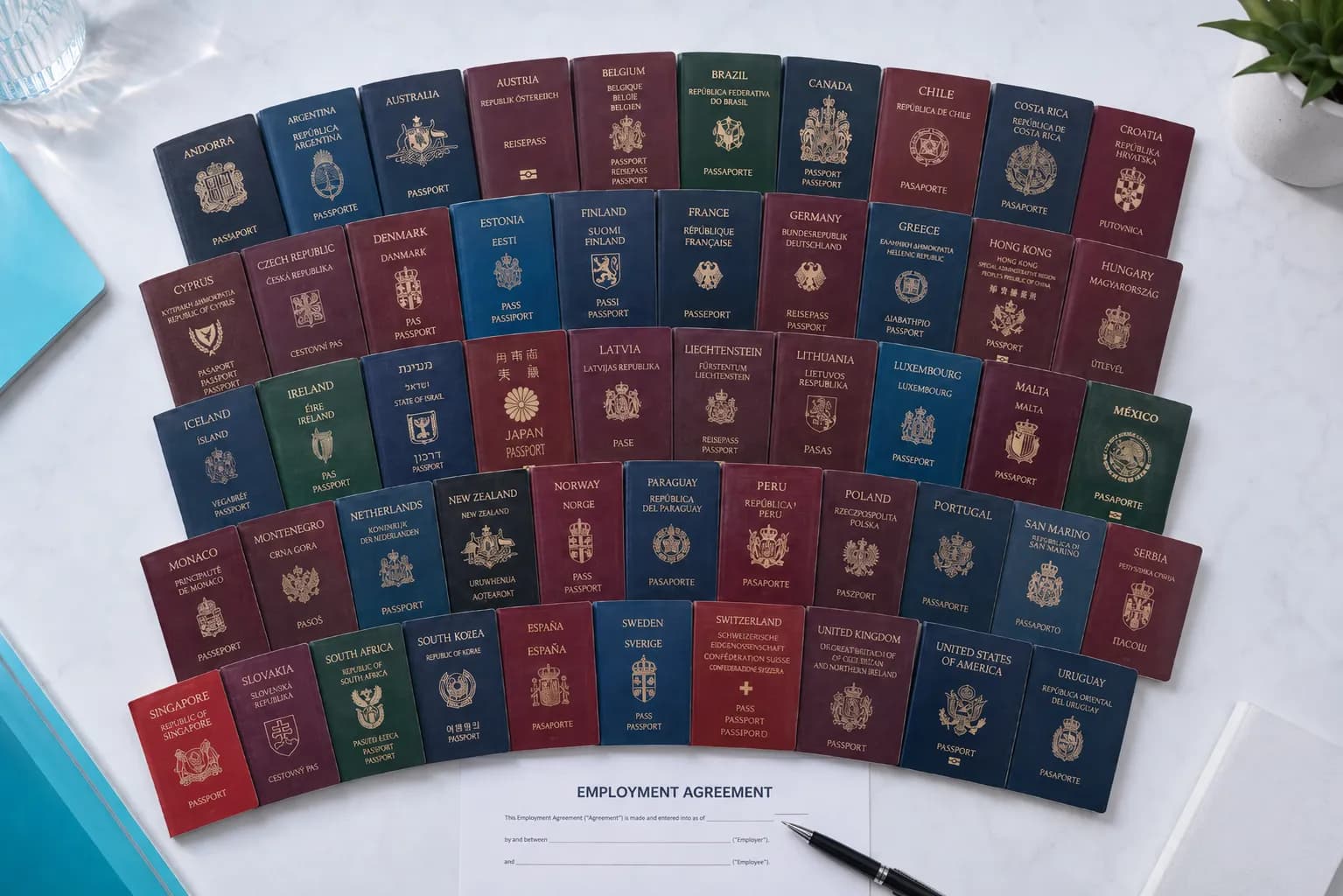
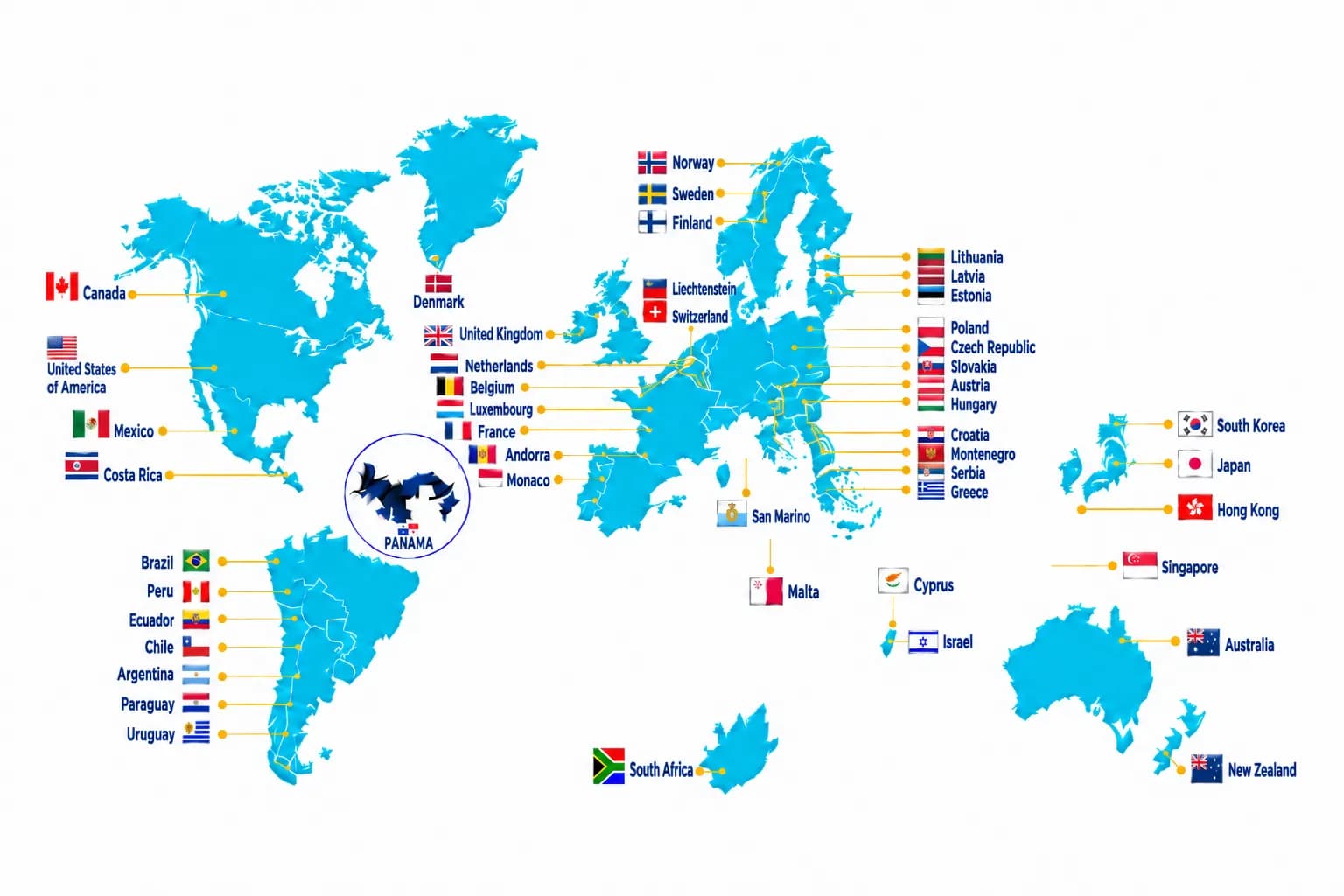
The Friendly Nations Visa — Real Estate route can be attractive for eligible nationals who want to establish a legal connection with Panama through a qualifying property investment.
However, this route is not only about buying real estate or preparing an immigration file.
A well-organized Friendly Nations real estate case may require immigration lawyer coordination, property search, legal due diligence, ownership structure review, banking and payment documentation, Public Registry evidence, document legalization, authorized translations, dependent solvency organization, post-closing follow-up, ANATI and DGI update coordination, and planning for the future permanent residence stage after the initial two-year provisional period.
CitizenResident helps coordinate this multi-provider roadmap through one central point of contact.
The official SNM requirements for “Países Específicos” describe the first stage as a two-year provisional residence permit. Under the real estate option, the requirement sheet refers to real estate ownership with a minimum value of B/.200,000, and indicates that the acquisition may be financed through a local bank. The property may be held personally, through a legal entity where the applicant is final beneficiary, or through a private interest foundation where the applicant is founder and final beneficiary, subject to legal and immigration review.
CitizenResident does not provide legal, immigration, tax, banking, real estate brokerage, investment or asset-protection advice. Immigration filings, legal review, property due diligence, tax advice, banking decisions and official submissions must be handled by independent licensed professionals, regulated providers or competent authorities.
Many Friendly Nations real estate projects become delayed because the client treats the property purchase and the immigration application as separate projects.
The property must be selected or acquired.
The ownership structure must be reviewed before closing.
The immigration lawyer may need specific evidence for the residence file.
The bank may request source-of-funds and payment documentation.
The real estate lawyer may need to review title, seller authority, taxes, liens and contract risk.
The Public Registry evidence must support the immigration file.
Dependents may require solvency evidence and family documents.
After the two-year provisional period, permanent residence must be prepared separately.
CitizenResident’s value is to connect these moving parts before they create delays.
This is especially important for international clients who are purchasing from abroad, including dependents, considering financing, evaluating ownership through a company or foundation, or planning to manage the property from outside Panama.
This package may be suitable for clients who:
are nationals of countries eligible under Panama’s Friendly Nations framework;
want to apply through the real estate option;
need to coordinate property search, legal review and immigration timing;
are buying personally, or evaluating ownership through a company or private interest foundation;
are including spouse, children or parents as dependents;
need banking, financing or source-of-funds coordination;
want a roadmap for provisional residence and future permanent residence;
may need post-closing property, tax, ANATI, DGI or administration coordination.
The immigration lawyer coordinates eligibility review, document checklist, legal strategy and filing before the competent authority. CitizenResident helps coordinate communication, pending items and document flow.
The property may need to be searched, compared, reserved, reviewed, purchased, registered and documented in a way that can support the immigration file. CitizenResident may help coordinate communication among the client, broker, developer, seller, real estate lawyer, bank and immigration lawyer.
Independent real estate lawyers should review title, seller authority, liens, mortgages, PH rules, maintenance debt, tax status, contract terms and closing risk. CitizenResident helps coordinate the workflow but does not provide legal due diligence.
The real estate option may involve personal ownership, legal entity ownership or private interest foundation ownership, subject to the requirements and professional review. CitizenResident may help coordinate discussions with immigration, corporate, legal and tax professionals so the structure is evaluated before the client commits to a property.
The purchase may involve a local bank, international transfers, source-of-funds evidence, financing documentation or payment traceability. Bank approval, financing terms and compliance decisions belong exclusively to the financial institution.
When spouse, children or parents are included, dependents may require proof of relationship, responsibility letters, solvency evidence, apostilles, translations and separate document tracking.
After closing, the owner may need Public Registry documents, ANATI and DGI updates, property tax monitoring, maintenance fee tracking and long-term property administration coordination.
Focused coordination for the initial Friendly Nations real estate project.
Best for clients who need support coordinating:
Friendly Nations category and real estate-route planning;
immigration lawyer communication;
property search and acquisition workflow;
independent real estate legal assistance workflow;
basic ownership-structure orientation;
bank financing or payment-documentation coordination when applicable;
Public Registry ownership evidence workflow;
source-of-funds and payment evidence organization;
document legalization and translation workflow;
basic dependent solvency document organization;
provisional residence workflow.
The Basic Package does not include the future permanent residence application after the two-year provisional period, cédula coordination, company or foundation incorporation, ANATI/DGI post-closing update coordination, property administration, airport VIP, transportation, SIM card, local rental support or long-term property maintenance unless expressly added.
Enhanced coordination for clients who want a more complete real estate, family, ownership-structure and future permanent residence roadmap.
Best for clients who want everything in Basic plus:
enhanced property acquisition follow-up;
enhanced ownership-structure coordination;
company or Private Interest Foundation coordination when stated in proposal;
enhanced banking, financing and payment-evidence coordination;
enhanced dependent solvency organization;
family travel coordination for resident card steps;
post-closing ANATI and DGI update coordination when stated;
property tax and maintenance reminder coordination when stated;
airport VIP pass, transportation and local SIM card assistance when stated;
local rental or temporary accommodation coordination when stated;
permanent residence application coordination after the two-year provisional period;
cédula coordination after permanent residence, when applicable;
naturalization roadmap orientation after permanent residence.
The Premium Package is designed for clients who understand that the real estate route is not only a visa process, but also a property, banking, family, document and long-term planning project.
| Feature comparison | Basic | Premium |
|---|---|---|
| Friendly Nations eligibility and real estate route coordination | Included | Included with enhanced planning |
| Immigration lawyer coordination | Included | Included |
| Real estate investment requirement planning | Minimum B/.200,000 tracking | Enhanced planning and evidence tracking |
| Property search and acquisition coordination | Coordination level | Enhanced follow-up |
| Independent real estate legal assistance workflow | Coordination level | Coordination level |
| Property due diligence workflow | Coordination level | Enhanced tracking |
| Ownership structure coordination | Basic orientation | Personal, company or foundation review coordination |
| Company or Private Interest Foundation coordination | Quoted separately | Included when stated in proposal |
| Public Registry ownership evidence workflow | Included | Included |
| Property value evidence for immigration file | Included | Enhanced document tracking |
| Bank financing or payment documentation coordination | Coordination level when applicable | Enhanced when applicable |
| Personal bank account coordination | Optional / recommended | Enhanced when stated in proposal |
| Source-of-funds and payment evidence organization | Basic coordination | Enhanced coordination |
| Dependent solvency document organization | Basic coordination | Enhanced coordination |
| Document legalization and translation workflow | Included as coordination; translations may be quoted separately | Included within approved limits when stated in proposal |
| Provisional residence application coordination | Included | Included |
| Resident card travel planning | Basic orientation | Enhanced family coordination |
| Post-closing ANATI and DGI update coordination | Quoted separately | Included when stated in proposal |
| Property tax and maintenance reminder coordination | Not included / quoted separately | Included when stated in proposal |
| Local rental or temporary accommodation coordination | Not included | Included when stated in proposal |
| Property administration transition | Not included | Available as continuation plan |
| Airport VIP pass | Not included | Subject to availability |
| Airport-to-city transportation | Not included | Included when stated in proposal |
| Local SIM card assistance | Not included | Included when stated in proposal |
| Permanent residence application after 2-year provisional period | Not included / quoted separately | Included at coordination level |
| Cédula coordination after permanent residence | Not included / quoted separately | Included when applicable |
| Naturalization roadmap | Basic orientation | Enhanced roadmap orientation |
| ongoing post-approval coordination | Not included | Available as continuation plan |
| Government, bank, professional and third-party fees | Not included | Not included unless expressly stated |
Timelines are general estimates. The actual timing depends on document readiness, professional review, property availability, seller or developer timing, bank processing, Public Registry status, SNM processing, ANATI/DGI updates and other provider timelines.
Phase 1 — Eligibility, strategy and project roadmap
Estimated time: 2–5 business days
CitizenResident helps coordinate the initial review of nationality, family members, property goals, investment amount, ownership structure, banking needs, dependent solvency, documents and timing.
Phase 2 — Immigration and ownership-structure alignment
Estimated time: 3–10 business days
If the property may support the Friendly Nations real estate route, CitizenResident helps coordinate early communication with the immigration lawyer and, when applicable, corporate or foundation professionals. The objective is to confirm whether personal, company or foundation ownership should be evaluated before the client commits.
Phase 3 — Property search and acquisition workflow
Estimated time: 2–8+ weeks
CitizenResident helps coordinate brokers, developers, sellers or real estate professionals and organizes the practical communication flow around property options, acquisition steps, reservations, closing timeline and document needs.
Phase 4 — Legal, tax and compliance due diligence
Estimated time: 1–4 weeks
Independent professionals may review title, seller authority, liens, mortgage status, property tax status, maintenance obligations, contract terms, PH rules, ownership structure and closing risks.
Phase 5 — Banking, financing and payment documentation
Estimated time: 2–8+ weeks when banking or financing is involved
CitizenResident helps coordinate document flow among the client, bank, lawyer, broker, seller or developer when personal banking, financing, international transfers or source-of-funds evidence are required.
Phase 6 — Closing and Public Registry evidence
Estimated time: 1–4+ weeks after documents are complete
After closing and registration, CitizenResident helps coordinate follow-up on Public Registry evidence that may be needed for the immigration file.
Phase 7 — Friendly Nations provisional residence filing
Estimated time: depends on lawyer and authority processing
The immigration lawyer files the application before the competent authority once the legal file, property evidence, foreign documents, translations and supporting records are ready.
Phase 8 — Post-closing ANATI, DGI and property file organization
Estimated time: 2–8+ weeks when included
CitizenResident may help coordinate follow-up for ANATI cadastral information, DGI property account, updated ownership data, tax status and certified property documents when included in the approved proposal.
Phase 9 — Permanent residence after two years
Estimated time: begins near the end of the provisional residence period
After the two-year provisional period, the applicant and eligible dependents may submit a permanent residence application under the applicable requirements. In this package structure, this later stage is included in Premium at coordination level and quoted separately for Basic.
Phase 10 — Cédula and naturalization roadmap
Estimated time: after permanent residence, when applicable
After permanent residence, cédula coordination may be available. Under regular conditions, the long-term naturalization roadmap is generally analyzed after permanent residence and the applicable residence period, subject to legal requirements and government discretion.
With CitizenResident, the client receives a coordinated roadmap that connects immigration, real estate, banking, ownership structure, family documents and long-term planning.
Key benefits include:
one central coordination point;
clearer sequencing between property acquisition and immigration filing;
early review of personal, company or foundation ownership possibilities;
better organization of source-of-funds and payment evidence;
coordination with immigration lawyers and real estate legal professionals;
structured dependent-solvency planning;
better document readiness for Public Registry evidence and residence filing;
planning for the two-year provisional period and later permanent residence;
optional connection with property administration, tax, banking and corporate services;
multilingual coordination for international families.
CitizenResident helps coordinate workflow, document flow, provider communication and client follow-up. Immigration advice, real estate legal advice, tax advice, banking advice, investment advice, asset-protection advice, brokerage services, property due diligence, corporate or foundation structuring, immigration filings, Public Registry filings, ANATI/DGI filings, bank approval and government decisions are handled by independent licensed professionals, regulated providers or competent authorities.
CitizenResident does not guarantee immigration approval, property availability, property value, bank approval, financing approval, tax treatment, asset-protection result, ANATI/DGI approval, permanent residence approval, cédula issuance, naturalization or government processing times.
Common questions answered before your consultation.
No. The real estate route is based on qualifying property ownership, while the job agreement route is based on a labor or employment connection and the bank deposit route is based on a qualifying fixed-term deposit. The right route should be reviewed with an immigration lawyer.
No. The official requirement sheet describes the first stage as a two-year provisional residence permit. Permanent residence is requested later under the applicable requirements.
The official SNM requirement sheet refers to real estate ownership with a minimum value of B/.200,000, subject to current requirements, document readiness and professional review.
The SNM requirement sheet indicates that the real estate acquisition may be financed through a local bank. Bank approval, credit terms, timing and compliance decisions belong exclusively to the financial institution.
The official requirement sheet refers to ownership personally by the applicant, through a legal entity where the applicant is final beneficiary, or through a private interest foundation where the applicant is founder and final beneficiary. The structure should be reviewed by immigration, legal and tax professionals before the client commits to the purchase.
No. In this package structure, Basic focuses on the initial provisional residence and real estate workflow. Permanent residence after the two-year provisional period is quoted separately.
Yes. Premium includes coordination of the permanent residence application after the initial two-year provisional period at coordination level, subject to current regulation, document readiness and professional confirmation.
Premium may include cédula coordination after permanent residence when applicable and when confirmed in the approved proposal.
They are not included in Basic unless quoted separately. Premium may include ANATI and DGI post-closing update coordination when stated in the approved proposal. Authority processing, government fees and final updates remain outside CitizenResident’s control.
It may create a long-term residency path. Under regular conditions, naturalization is generally analyzed after permanent residence and the applicable residence period, subject to legal requirements and government discretion.
Schedule your initial consultation and let us guide you through the process. We respond within 1 business day.
Speak with Our TeamPick the one that fits your situation